We recognise that in the increasingly competitive landscape of 2026, the ability to manage your customer acquisition cost is the primary differentiator between a scaling enterprise and a stagnating one. To begin this journey, we must first examine the average CAC across our initiatives to understand where our capital is most effective and where it is being wasted. We calculate this by aggregating all Marketing Expenses and Sales Expenses incurred over a set period and dividing that sum by the Incremental Customers Acquired during that same window. This initial investment in a user is often substantial, which is why we must balance it against the Customer Lifetime Value to ensure long-term viability. By analysing the CAC-LTV Ratio, we can determine if our growth is sustainable; a healthy LTV/CAC ratio typically sits at 3:1 or higher for most B2B companies. We also pay close attention to payback periods, as quickly recovering the cost of customer acquisition is vital to maintaining healthy cash flow. In our experience, a deep dive into Financial Planning and Analysis allows us to set realistic marketing budgets that align with our gross margin goals.
Strategic Data Tracking and Analytical Rigour
We cannot optimise what we do not measure, which is why we place a heavy emphasis on utilising robust Analytics Tools to track every touchpoint. We integrate Google Analytics 4 with our CRM system to gain a 360-degree view of how a prospect moves from initial brand awareness to a closed deal. By meticulously applying UTM tags to every marketing channel, we can attribute success to the specific digital marketing campaigns that drive the highest quality leads. This level of segment analysis helps us identify high-potential customer segments that might otherwise be buried in generalised data. We also conduct incrementality tests to ensure our marketing spend is driving new growth rather than just claiming credit for organic conversions. Using CRM software, we can monitor the entire sales process and identify bottlenecks where prospects are dropping out of the Conversion funnel. This data-driven approach allows us to refine our budget allocation, reallocating funds from underperforming areas to the most lucrative acquisition channels.

Maximising Efficiency in Paid Advertising Campaigns
When we manage Advertising Campaigns, we often find that the biggest resource drain is a lack of precision in targeting and bidding. We leverage AI platforms to manage our Google advertising and Facebook advertising, allowing for real-time adjustments that a human operator simply couldn’t execute. By monitoring the cost per click across our Google Ads accounts, we can optimise our ad budget to favour keywords with the highest intent. We also implement Retargeting Campaigns to re-engage visitors who didn’t convert on their first visit, effectively lowering our marginal CAC by focusing on warm leads. It is essential to conduct regular incrementality tests on our Incremental Ad Spend to confirm that our Return on Ad Spend remains above our internal benchmarks. We believe that search engine marketing should be a surgical operation, where every dollar of advertising costs is justified by a clear path to revenue. By refining our buying personas and using behavioural insights, we can create highly personalised ads that resonate deeply with our target audience.
Content Production and Generative Engine Optimisation
We have seen a massive shift in how users discover information, leading us to prioritise Generative Engine Optimisation as a core part of our content marketing strategy. By focusing on content optimisation and high-quality content production, we can capture organic traffic that serves as a low-cost alternative to paid media. We follow the lead of industry pioneers like First Page Sage by creating authoritative, “evergreen” assets that establish our brand as a thought leader. Our GEO strategies ensure our brand is cited by AI-driven search tools, a critical component of modern digital marketing. We invest heavily in Content & Creative Production to ensure that our articles, videos, and infographics provide genuine value to our audience. This organic approach not only builds brand awareness but also significantly reduces our long-term customer-acquisition costs. As we scale our social media outreach, we ensure that every piece of content is tailored to the platform’s specific nuances and the behavioural economics of its users.

Mastering Conversion Rate Optimisation and UX
Even the best traffic in the world is useless if our Landing page fails to convert, which is why Conversion Rate Optimization is a non-negotiable part of our workflow. We use A/B testing to constantly iterate on our headlines, forms, and call-to-action buttons to find the highest-performing combinations. By improving our conversion rate, we can lower our average CAC without increasing our marketing spend. We also utilise conversational marketing tools and live chat to answer prospects’ questions in real time, removing friction from the sales funnel. Understanding behavioural insights helps us design a user experience that guides visitors naturally toward a conversion. We closely monitor our conversion rates at every stage of the journey, from the first click to the final subscription service signup. Ultimately, a streamlined sales process backed by a high-converting website is the most powerful lever we have for customer acquisition efficiency.
Leveraging Technology and Marketing Automation
In the modern era, we rely on Marketing Automation and AI tools to handle the repetitive tasks that used to inflate our Operational Costs. By integrating our Customer Relationship Management platform with sophisticated AI platforms, we can score leads and route them to the right representatives automatically. This reduces the Sales Expenses per deal and ensures our team spends time only on the most promising opportunities. We also use subscription billing models and the freemium model to lower the barrier to entry, thereby dramatically increasing our Monthly Recurring Revenue. For SaaS companies, we often look at the SaaS Magic Number to gauge how effectively our marketing efforts translate into new growth. Our customer support teams also play a role by using live chat to assist with the onboarding process, ensuring that the initial investment we made in the customer isn’t lost to early churn. By automating our social media outreach and email nurturing, we maintain a consistent presence without increasing headcount.
Focusing on Retention and Viral Growth Loops
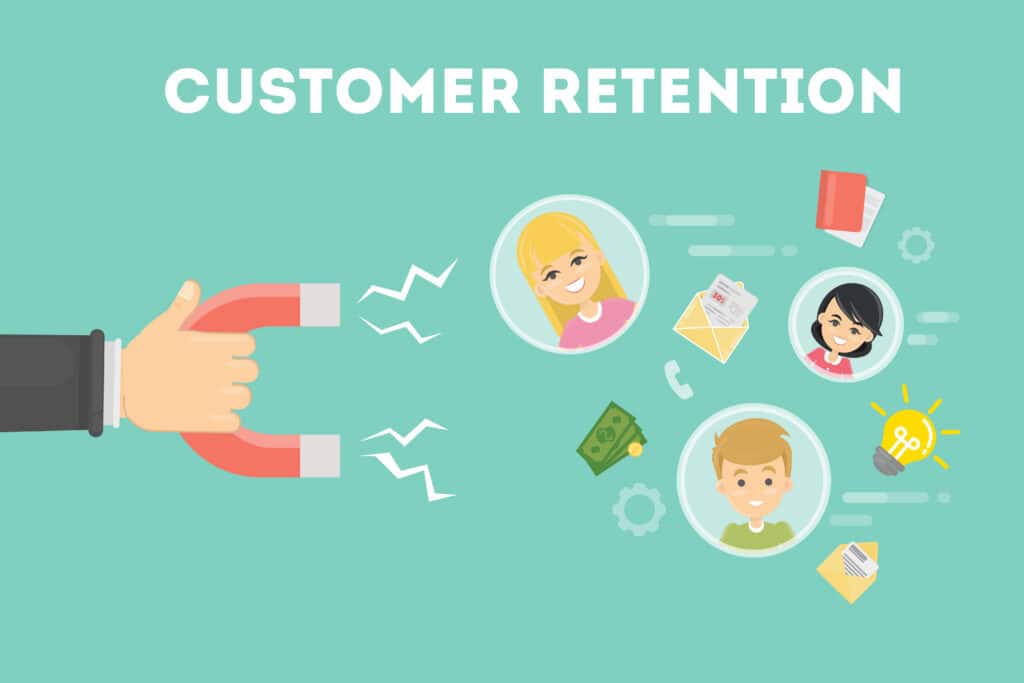
We believe the most efficient way to optimise customer acquisition is to ensure that our current users help us find new ones. By implementing referral programs and Viral Loops, we can turn our satisfied customers into a low-cost marketing channel. We also focus on customer retention to maximise the Customer Lifetime Value, making our initial advertising costs much easier to justify. We track our Customer Retention Cost and retention costs as carefully as we track our acquisition spend, as keeping a customer is always cheaper than finding a new one. Through loyalty programs and proactive reputation management, we build a brand that people want to stick with for the long haul. We use Customer segmentation to identify which users are most likely to become advocates, allowing us to target our Promotional Costs more effectively. By focusing on the gross margin and long-term market development, we ensure that our business remains profitable even as acquisition channels become more expensive.