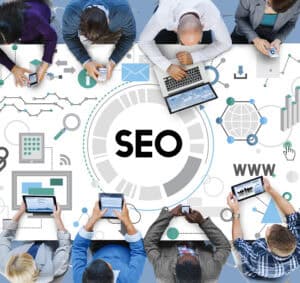
Digital Marketing is an ever-evolving field that brings together a complex interplay of techniques to engage a target audience throughout the entire customer journey. By leveraging advanced marketing tools and digital apps, businesses can monitor and optimize every step of their marketing strategy. Central to this landscape is the integration of Content Marketing, Search Engine Optimization, and Search Engine Marketing, all of which work together to maximize visibility on every major search engine. With the proliferation of social media platforms such as Instagram account and Twitter Account, brands now have unprecedented opportunities for engagement, data collection, and lead generation. The connection between digital channels makes it easier for businesses to deliver targeted inbound marketing messages and foster genuine customer relationships. As the field continues to expand, educational platforms like Google Digital Garage, HubSpot Academy, and reading resources such as Search Engine Journal and Google Career Certificates have become invaluable sources for staying current. Ultimately, a sophisticated Digital Marketing Strategy is grounded in ongoing learning, innovation, and adaptation to the rapid pace of technological change. Building a strong online presence ensures brands remain visible and relevant in a competitive, digitally-driven world.
Setting Clear Digital Marketing Objectives
A successful Digital Marketing Strategy always begins with concrete, measurable objectives, closely tied to business KPIs and tracked via robust analytics tools like Google Analytics and Marketing Analytics platforms. Strategic planning ensures all marketing campaigns—ranging from inbound approaches to Email Marketing and social media advertising—are aligned and measurable. Successful companies outline each stage of the customer journey map, integrating touchpoints that enhance user experience and foster customer loyalty. Establishing clear goals for metrics such as conversion rate optimization, website traffic, and qualified leads allows us to sharpen our Campaign Management processes and respond quickly to evolving performance indicators. Tools like A/B testing and Web Analytics let us compare different marketing landing pages or digital advertising variations, identifying which approaches best resonate with the target audience. To ensure sustained customer relationships, we connect all strategies through robust Customer Relationship Management systems. Whether driving sales via online stores or creating compelling landing page experiences, our objectives should constantly be monitored and refined using data storytelling and actionable insights.

Building a Strong Online Presence: Websites and Branding
Our online presence begins at the company website, which must serve as both a digital storefront and an information hub. A user-focused approach means optimizing the landing page and all website URLs for both mobile and desktop, ensuring seamless navigation and a polished, professional appearance. For those aiming to enhance local visibility, registering on Google My Business and optimising for Google Localisation Search dramatically improves discoverability. Effective SEO referencing, including the crafting of engaging meta descriptions, boosts rankings on any relevant search engine and increases digital traffic channels. Branding isn’t just visual—it’s about communicating our organization’s brand values and fostering brand awareness at each step. Through regular content creation and a compelling Content Strategy, we reinforce our message, values, and vision. Integrating social media pages and business profiles with marketing landing pages allows for cohesive experiences across platforms. Collaborating with a reputable Digital Marketing Agency further strengthens both design and function, ensuring that each customer’s journey is consistently positive and in line with our Customer Experience Strategy.
Search Engine Optimization: Enhancing Visibility and Traffic
Search Engine Optimization is the art and science of improving our digital presence to attract more organic traffic—and it’s most effective when paired with a strong Content Marketing plan. Successful SEO campaigns depend on carefully researched keywords that reflect the latest trends in inbound marketing. Optimized elements such as meta descriptions, alt text, and on-page copy make a company website more discoverable, while strategic backlinking and internal linking boost authority. Using Google Analytics and Web Analytics enables us to monitor search engine rankings, track digital traffic channels, and adjust tactics for maximum impact. Integrating voice search optimization and video marketing further expands reach, acknowledging the diversity of search behaviors. Platforms such as Google Ads and Pay-Per-Click Advertising supplement organic growth by positioning businesses in top search results, leading to greater lead generation and increased conversion channel opportunities. Seasoned marketers rely on regular training, like that offered via Google Career Certificates or articles from Search Engine Journal, to maintain SEO expertise and adapt to evolving algorithms.

Content Marketing: Educating and Engaging Audiences
At the heart of effective Digital Marketing lies Content Marketing, which uses compelling content creation and storytelling techniques to inform, persuade, and inspire the target audience. A holistic Content Strategy includes a mix of long-form articles, videos, whitepapers, and social media posts, aligning with the brand’s vision and advancing the customer journey. Successful marketers incorporate video marketing, influencer digital marketing, and Affiliate Marketing tactics within broader digital marketing campaigns for enhanced reach and engagement. Each piece is optimized for both the company website and external channels—including social media platforms—to drive qualified leads and support growth marketing initiatives. A/B testing enables us to evaluate which storytelling approaches generate the best engagement, while ongoing performance tracking via analytics tools ensures that our strategy evolves with audience preferences. Investing in quality content helps nurture brand loyalty, turning satisfied visitors into advocates and repeat customers. Collaboration with influencers and dedicated Social Media Marketing efforts reinforce our message, delivering continuous value throughout the entire customer experience.
Social Media Strategies for Brand Growth
The explosion of social media has revolutionized how brands approach their marketing strategy, campaign management, and customer service. From interactive Facebook Ads and targeted social media advertising to building a following through engaging an Instagram account, brands are now equipped to personalize interactions on every major social media platform. Effective Social Media Marketing leverages both organic content and paid initiatives, supported by analytics tools for data-driven decision making. By curating engaging stories, using images and videos aligned with our brand values, we can strengthen customer relationships and drive higher engagement rates. Successful marketers regularly test different content types with A/B testing to determine what resonates with their followers. They also collaborate with key influencers to enhance brand awareness and reach new communities. It’s essential to maintain active, responsive social media pages to reinforce trust, handle customer inquiries, and gather insights for future digital marketing campaigns. Cross-promotion through Facebook Advertising, sharing links to marketing landing pages, and transparent communication all play a role in sustaining digital growth.

Paid Advertising: Maximizing Reach and Return
Paid digital advertising, driven by platforms such as Google Ads, Pay Per Click Advertising, and Facebook Advertising, enables businesses to extend their reach with precision and measure ROI through advanced Marketing Analytics systems. These media strategy efforts deploy sophisticated targeting options based on geography, interests, and behaviors, ensuring each ad is relevant to the target audience. A/B testing can be used to optimize ad copies and visuals, with performance indicators tracked continuously through tools like Google Analytics and Web Analytics. By integrating retargeting, we reconnect with users who have shown interest in our offerings, boosting conversion rates and maximizing the value of each digital advertising dollar spent. Managing multiple digital traffic channels, including email campaigns and display ads, expands outreach beyond traditional platforms, while landing page optimization, clear calls to action, and precise Campaign Management improve conversion outcomes. For companies with physical locations, platforms such as Google Localisation Search and Google My Business offer valuable visibility, driving in-store and online sales. Strategic collaboration with a Digital Marketing Agency ensures budgets are allocated efficiently and goals remain at the center of every campaign.
Measuring Results and Refining Digital Marketing Efforts
Analysis is the backbone of continuous improvement in digital marketing. Powerful analytics tools like Google Analytics enable us to measure each channel’s contribution to overarching marketing goals and refine each phase of the customer journey. Regularly reviewing key data points—such as conversion rate optimization results, sources of qualified leads, and engagement rates on social media platforms—enables more intelligent decisions. Modern marketers use sophisticated Customer Relationship Management solutions for tracking prospective and existing customer relationships, aligning sales and marketing efforts. Campaign Management dashboards synthesize data across all digital marketing campaigns for holistic insight, while Web Analytics and Marketing Analytics platforms provide actionable intelligence for rapid pivoting. High-performing teams combine these insights with Data Storytelling to communicate results effectively to stakeholders, ensuring all digital marketing strategies are optimized over time. The result is a cohesive, efficient, and adaptive marketing ecosystem that responds nimbly to changes in technology and customer behavior, driving sustained growth and customer loyalty across all channels.