Understanding Why Trust Is Your Real Competitive Advantage
When we look closely at why customer loyalty forms around certain brands, trust is almost always at the core. Price, product quality, and convenience matter, but they are easy to copy; customer trust is not. A customer who trusts us will forgive the occasional mistake, give valuable customer feedback, and recommend us to others without being asked. In crowded markets where competitors can match our features, trust becomes the invisible value that sets our customer relationships apart. When we treat trust as a strategic asset, we deliberately shape the entire customer journey to earn and protect it.
We can think of trust as a long-term investment in authentic relationships, rather than a quick-win tactic. Every promise kept, every piece of customer-centric language used, and every respectful interaction with support staff or support agents is like paying into a savings account. Over time, this “trust balance” grows and shields us when something goes wrong—a delayed delivery, a misunderstanding in the sales process, or a security concern around customer data and data security. Customers who believe in our integrity do not immediately seek alternatives at the first sign of trouble; instead, they engage in close communication and problem-solving. In this way, trust becomes the foundation of business success and shapes the perception of our company’s image in the market.
Listening First: How Deep Understanding Builds Connection
Trust-based customer relationships start with genuine listening, not polished scripts. When we truly listen, our goal is not to reply quickly but to understand deeply what the customer is feeling and what they are trying to achieve. This is where active listening becomes a practical tool rather than a buzzword. Asking open questions, such as “What would success look like for you six months from now?”, helps us understand how our solution fits into their broader customer lifecycle. The more we understand their challenges and aspirations, the more accurately we can design a customer experience that feels tailored and respectful.
Listening well also means choosing appropriate communication methods for the context. Some customers prefer a face-to-face meeting to discuss sensitive topics, while others feel more comfortable starting with email newsletters, social media messages, or a quick call through customer support lines. As sales professionals, we need to be fluent across channels to support an omnichannel view of the relationship. When we show that we respect their preferred customer contact style, client trust grows. Over time, they come to see us as partners who “get them,” not just another voice in a crowded sales process.
Consistency and Reliability: Doing What We Say, Every Time
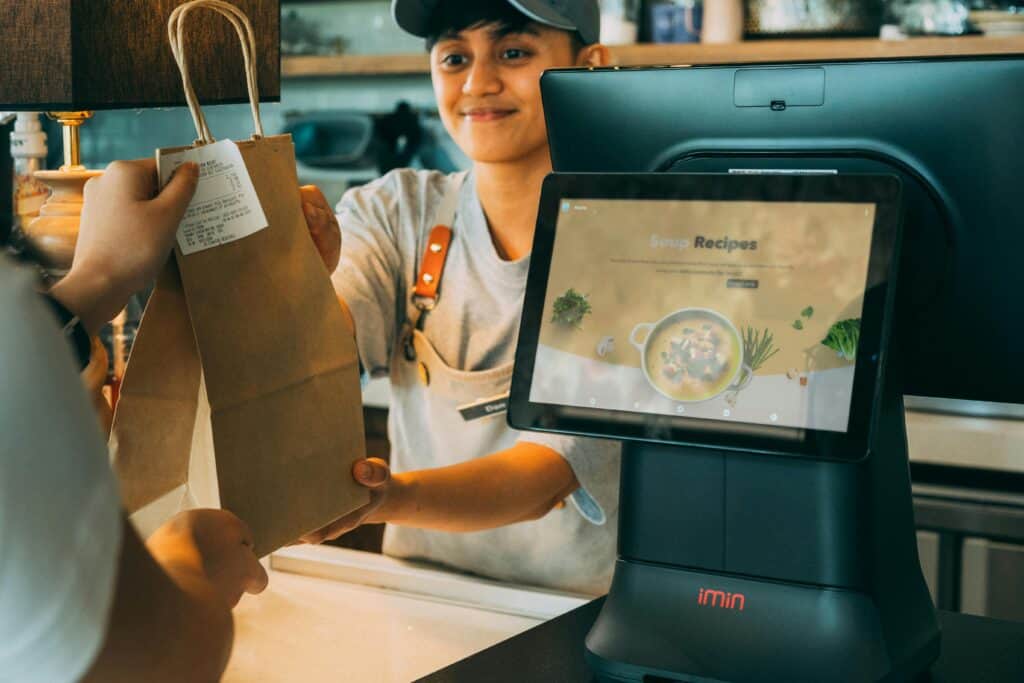
Trust is rarely built through grand gestures; it grows from consistent reliability in the small things that shape customer satisfaction. When we answer emails within agreed timeframes, follow up after meetings, and deliver on schedule, we prove our customer service is dependable. Customers quickly notice patterns: if our support staff and we consistently meet our commitments, they assume we will also handle more complex projects with the same reliability. This sense of security directly boosts customer satisfaction ratings and long-term customer retention.
Reliability also includes how we behave when we fall short of expectations. No organisation is perfect, and customers do not expect perfection; what they expect is honesty, clarity, and effective communication when problems arise. When we proactively explain an issue, outline corrective steps, and reinforce our service guarantees, we strengthen the relationship rather than damage it. In sensitive situations, clear communication methods and rapid access to customer support lines are crucial. Customers remember not only the mistake but the integrity we displayed while fixing it, and that memory becomes a powerful driver of customer loyalty and future client success stories.
Transparency and Honesty: Saying the Hard Things Clearly
Building trust-based relationships requires us to be honest even when it is uncomfortable or risky in the short term. This means being transparent about the limitations, risks, and trade-offs in our offering, so customers can assess the true market-fit framework considerations. For example, it is better to say, “This solution is strong in automation and analytics dashboards, but it may not be ideal if you require complex custom reporting,” than to obscure weaknesses. Such candour builds client trust by showing that we value their long-term customer success over a quick sale. Over time, our reputation for honesty becomes part of our personal brand and corporate brand message.
Transparency also extends to how we handle customer data and privacy protections. In an era of increasing scrutiny, customers want clarity on how their information is stored, used, and safeguarded. By clearly explaining our data security measures, predictive intelligence tools, and automation features, we reassure them that innovation does not come at the expense of safety. Likewise, being open about how CRM software and CRM tools track the customer journey—from first contact to renewal—helps customers understand the benefits of customer relationship management and client relationship management. This openness makes it easier to gain consent, build comfort, and maintain customer trust in both digital and face-to-face meeting environments.

Personalisation: Treating Customers as People, Not Accounts
Trust deepens when each interaction feels personal and relevant, rather than generic. To create this, we use customer relationship management platforms and CRM tools to capture details about preferences, past interactions, and long-term goals. These systems give us an omnichannel view of the customer lifecycle, connecting email, phone, social media, and in-person touchpoints. Combined with thoughtful practice management, this helps us present offers and content that truly match the customer’s situation. As a result, customers experience our outreach as helpful guidance rather than aggressive selling.
Personalisation also shows up in how we design our sales processes and ongoing support. For example, we might segment communications by team size, industry, or product usage, then use email management tools and newsletters to deliver targeted insights. An accounting firm could use a client portal to securely share documents, tailored reports, and data-backed insights that speak to individual client needs. When we integrate Community forums, feedback mechanisms, and feedback surveys into our client relationship management approach, we invite customers to shape our services. This kind of participatory customer experience fosters strong client relationships and a feeling of shared ownership.
Proactive Communication: Staying Ahead of Questions and Problems
Trust-based customer relationships flourish when we communicate before customers feel the need to chase us. Proactive updates—whether through calls, chat, customer support lines, or email newsletters—signal that we are watching out for them. This behaviour is critical for full-cycle sales teams managing high-value accounts, where a single misstep can significantly impact business success. By sharing timelines, next steps, and potential risks early, we help customers feel in control of their own commitments. They can plan internally with confidence, knowing that we will raise issues as soon as they appear.
This proactive stance is amplified by modern tools and content. Analytics dashboards, predictive intelligence, and data-backed insights allow us to anticipate customer needs and contact them at the right time with relevant suggestions. For example, we might flag declining usage in a subscription product and schedule a check-in to prevent churn, turning a risk into an opportunity for customer success. Podcasts and educational assets—such as episodes of the Predictable Revenue Podcast or case-study-based learning outcomes—add value by helping customers think strategically about sales and growth. Over time, this combination of helpful content, practical tools, and ongoing close communication positions us not just as suppliers but as strategic advisors.

Delivering Value Beyond the Transaction
To build durable trust, we must deliver value that extends well beyond the initial sales process. This includes proactively sharing best practices, frameworks, and real-world examples that help customers succeed. Discussing concepts like the market fit framework or inviting them to learn from other client success stories shows that we care about their performance, not just our revenue. We can host webinars, contribute insights in Community forums, or provide industry-focused guides tailored to different segments and team sizes. These investments in education enhance customer satisfaction and reinforce our authority.
Value beyond the transaction is also about how we support their day-to-day operations. For example, we might provide practical tools such as templates, checklists, or configuration guides that improve their internal practice management. CRM software and related automation features can help clients streamline email management tools, outreach workflows, and internal handoffs. An accounting firm might deploy a client portal to simplify document sharing and approvals, increasing both efficiency and perceived customer experience quality. When customers attribute tangible process improvements to working with us, their customer loyalty and willingness to refer others grow naturally.
Turning Feedback and Mistakes into Opportunities to Deepen Trust
Feedback—especially honest, unfiltered customer feedback—is one of the most powerful levers we have to strengthen trust. By consistently inviting input through feedback surveys, Community forums, interviews, and informal conversations, we show that we value their voice. The key is to tie these feedback mechanisms to visible change: we must demonstrate how responses are translated into product enhancements, customer service improvements, or refinements to the sales processes. When customers see that their comments lead to better customer experience and higher customer satisfaction ratings, they become more willing to share candidly in the future.
Mistakes and sensitive situations are inevitable, but they do not have to damage client relationships if handled well. When something goes wrong, we should lean on effective communication, rapid access to customer support lines, and transparent explanations. Offering remedial actions—such as additional training, updated documentation, or service credits backed by clear service guarantees—demonstrates a commitment to making things right. In complex scenarios, a structured review using analytics dashboards and data-backed insights can help uncover root causes and prevent recurrence. Over time, customers learn that even when we stumble, our commitment to customer success and authentic relationships does not waver, which ultimately strengthens customer retention.

Using Technology and Systems to Scale Trust Without Losing the Human Touch
As our team size and customer base grow, maintaining individualised attention becomes more challenging. This is where modern CRM software, customer relationship management systems, and client relationship management practices become essential. These platforms unify customer data from email, calls, social media, client portal interactions, and in-person meetings, providing a single omnichannel view of each customer journey. With this foundation, we can maintain personalised, timely communication even as full-cycle sales teams handle large volumes of accounts. Automation supports scale, but the content and tone of our messages must remain human and empathetic.
Technology also helps us align internal teams around trust-building behaviours. Analytics dashboards can highlight key customer satisfaction and customer retention metrics, while predictive intelligence flags accounts at risk of churn or requiring additional support. Integrated email management tools and automation features ensure that no important customer contact falls through the cracks, even during busy periods. At the same time, robust data security and privacy protections reassure customers that efficiency does not come at the expense of safety. When we combine thoughtful systems with well-trained support agents and sales professionals who prioritise authentic relationships, we create a scalable model of trust that supports long-term business success.
Summary
Building trust-based customer relationships is an ongoing discipline that touches every interaction, from the first touchpoint in the sales process to renewal and advocacy. By practising active listening, communicating transparently, personalising experiences through smart use of CRM tools, and continually acting on customer feedback, we foster deep client trust and strong customer loyalty. Supporting this approach with secure technology, thoughtful practice management, and value-rich education ensures that our customer experience remains consistently strong throughout the entire customer lifecycle. In a marketplace where products and prices can be copied quickly, trust becomes our most defensible advantage—and the true engine behind lasting customer success and business success.